
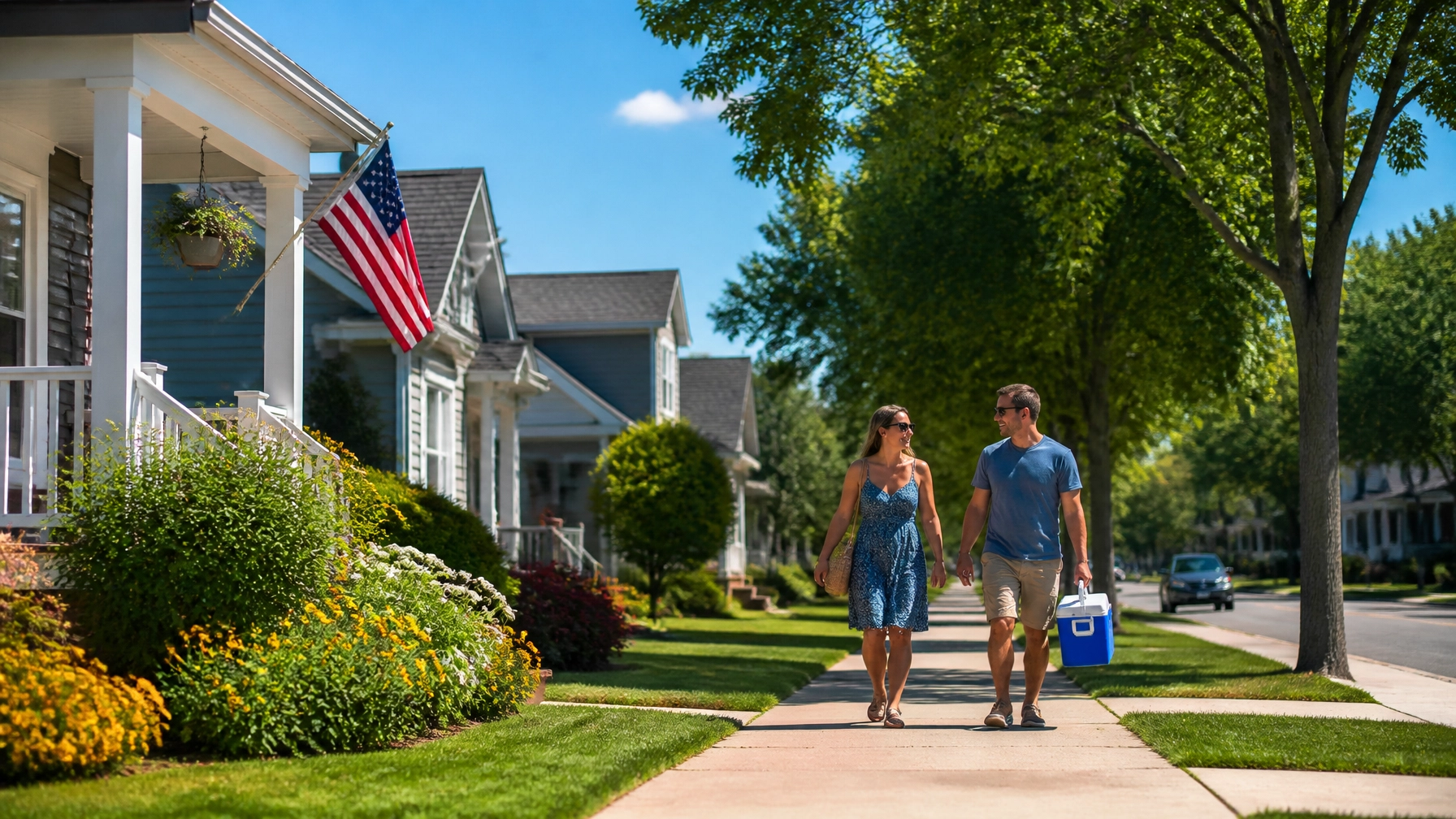
We’ve all heard the classic Western New York line: "It’s not the heat, it’s the humidity." While we love our summers in the 716, the lake breezes, the festivals, and the grilled hot dogs, there are days when the air feels thick enough to swim through. When a heatwave hits Tonawanda, Kenmore, or Amherst, it’s more than just an inconvenience; it’s a health priority.
At Evolution Heating & Air Conditioning, we’re deeply committed to our community. We believe in being "Big Enough to Serve, but Small Enough to Care." That means we don't just fix your air conditioning services; we want to make sure you and your family stay safe when the mercury rises.
To help you navigate the hottest days of the year, we’ve put together this ultimate survival guide. From high-tech tools like the CDC HeatRisk Dashboard to old-school cooling hacks, here is how we can all stay cool together.
Check Before You Step Out: The CDC HeatRisk Dashboard
Before you plan a trip to the Niagara Falls State Park or a walk through Delaware Park, check the forecast. But don't just look at the temperature; look at the risk.
The CDC HeatRisk Dashboard is a game-changer for WNY homeowners. By entering your ZIP code (like 14150 for Tonawanda or 14223 for Kenmore), you get a 7-day forecast that identifies the health risk level of the heat. It uses a color-coded scale from green (low risk) to magenta (extreme risk).
Why does this matter? Because 90 degrees in Buffalo feels very different when the humidity is at 80%. This tool helps you decide if it’s a "stay inside and enjoy the AC" day or a "quick morning walk" day.
The "Stay Cool" Checklist
Preparation is the best defense against heat exhaustion. We recommend a few simple adjustments to your daily routine during a WNY heatwave:
- Dress for the 716 Humidity: Opt for light-colored, loose-fitting clothing. Natural fabrics like cotton or linen allow your skin to breathe much better than synthetics.
- Time Your Day: If you have errands in Williamsville or need to do yard work in Hamburg, aim for the early morning (before 10 AM) or the evening (after 6 PM). The sun is at its most intense between 11 AM and 4 PM.
- Know Your Local Cooling Centers: If your home isn't staying cool enough, don't wait for an emergency. Erie County often designates libraries, senior centers, and community hubs as cooling centers. You can dial 211 to find the closest air-conditioned public space near you.

Hydration 101: The 15-20 Minute Rule
Staying hydrated is about more than just drinking when you’re thirsty. By the time you feel thirsty, you’re likely already partially dehydrated.
The 15-20 Minute Rule: During extreme heat, even if you aren't doing strenuous activity, you should aim to drink about 8 ounces (one cup) of water every 15 to 20 minutes. Drinking smaller amounts consistently is more effective than "chugging" a gallon of water once an hour.
- What to Avoid: As tempting as a cold craft beer or a double espresso might be, caffeine and alcohol can actually speed up dehydration. Stick to water or electrolyte-replacing drinks if you've been sweating heavily.
- The "Check" System: A simple way to monitor your hydration is the color of your urine. If it’s pale yellow (like lemonade), you’re doing great. If it’s dark (like apple juice), you need to increase your water intake immediately.
Recognizing the Warning Signs
We want everyone in our community to be able to spot the signs of heat-related illness. Knowing the difference between "feeling hot" and a medical emergency can save a life.
| Condition | Symptoms | Action to Take |
|---|---|---|
| Heat Cramps | Painful muscle spasms, usually in the legs or abdomen. Heavy sweating. | Stop activity. Move to a cool place. Drink water or a sports drink. |
| Heat Exhaustion | Heavy sweating, dizziness, nausea, fast/weak pulse, clammy skin. | Move to AC. Loosen clothes. Cool, wet cloths on the body. Sip water. |
| Heat Stroke | High body temp (103°F+), confusion, rapid pulse, fainting, skin may be dry or damp. | CALL 911 IMMEDIATELY. This is a medical emergency. Move the person to a cool area and use ice packs if available. |
If you ever feel that your home's temperature is rising and your system isn't keeping up, searching for "AC repair near me" quickly can prevent your living space from reaching these dangerous levels.
Community Care: Small Enough to Care
Being "locally owned and operated" means we view our customers as neighbors. During a heatwave, we encourage everyone in Tonawanda, Amherst, and beyond to look out for one another.
- Check on Neighbors: Senior citizens are at a much higher risk for heat-related issues. A quick 2-minute "porch check" on your elderly neighbors can make a huge difference. Make sure their fans or AC units are running properly.
- Protect the Little Ones: Infants and young children can’t regulate their body temperature as well as adults. Never leave a child (or anyone!) in a parked car, even for a "quick" errand.
- Don't Forget the Pets: If the pavement is too hot for your hand, it’s too hot for their paws. Keep pets indoors and ensure they have plenty of fresh, cold water.

Low-Cost Indoor Cooling Hacks
Sometimes the AC needs a little help, or maybe you’re looking for ways to keep the house comfortable while your HVAC maintenance is being scheduled. Here are some of our favorite "pro tips":
- The "Ice Bowl" Trick: Place a large bowl of ice or a frozen gallon jug of water directly in front of a floor fan. The air will pick up the cold mist from the melting ice, creating a makeshift "swamp cooler" effect that feels incredible.
- Blind Ambition: Keep your blinds and curtains closed on the sunny side of the house. This "greenhouse effect" can raise your indoor temperature by 10 degrees or more if left unchecked.
- Lower is Cooler: Remember that heat rises. If you have a multi-story home in Kenmore, consider spending the hottest parts of the day: and even sleeping: on the ground floor or in a finished basement.
- Fan Direction: Ensure your ceiling fans are rotating counter-clockwise in the summer. This pushes a cool breeze directly down rather than just circulating the warm air trapped near the ceiling.

Professional Peace of Mind
While these hacks are great for short-term relief, nothing beats a properly functioning system. The best way to survive a WNY summer is to ensure your unit is ready before the heat hits. If you haven't had your annual AC tune up Tonawanda, now is the time to schedule it.
We work on all makes and models, and because we are local, we understand the specific demands that our humid Great Lakes climate puts on your equipment. Whether it's a routine check or an emergency 24/7 repair, we’re here to ensure your home remains a sanctuary from the heat.
Stay cool, stay hydrated, and look out for one another, Buffalo! We’re all in this together.
Frequently Asked Questions
What is the 15-20 minute rule for hydration?
During extreme heat, you should aim to drink about 8 ounces of water every 15 to 20 minutes. This consistent intake is more effective at preventing dehydration than drinking large amounts of water less frequently.
Where can I find cooling centers in Tonawanda or Amherst?
You can dial 211 to get a list of the most current cooling centers in your specific area. Public libraries and community centers are also common spots to find relief from the heat.
My AC is running but the house isn't getting cold. What should I do?
Check your air filter first; a clogged filter can significantly reduce efficiency. If the filter is clean and you're still not reaching your set temperature, it may be time for a professional AC tune up to check refrigerant levels and coil cleanliness.
How do I know if I'm having heat exhaustion or a heat stroke?
Heat exhaustion involves heavy sweating, nausea, and dizziness. Heat stroke is a medical emergency where sweating often stops, the person becomes confused, and their body temperature rises above 103°F. If you suspect heat stroke, call 911 immediately.
Why is the humidity in Western New York so dangerous during a heatwave?
High humidity prevents sweat from evaporating off your skin, which is the body's primary way of cooling itself down. This means your body temperature can rise much faster than it would in a "dry" heat.