


Hey Western New York! It’s officially 2026. While we’re still waiting on those flying cars we were promised back in the day, the world of home cooling has definitely undergone a massive upgrade. If you’ve been nursing that old AC unit along with duct tape and a prayer, you might have noticed the landscape looks a little different this year.
The "Great Refrigerant Transition" isn’t just some industry buzzword anymore, it’s our current reality. As of January 1st of this year, the federal government officially hit the "off" switch on the old standard (R-410A) for new installations.
If you’re shopping for a new air conditioner in Buffalo, Tonawanda, or anywhere across WNY, you’re probably hearing terms like "A2L," "GWP," and "Low-Flammability." It sounds like science fiction, but it’s actually just the new standard for keeping your living room frosty. At Evolution Heating & Air Conditioning, we’ve been prepping for this for years. We’re Big Enough to Serve, Small Enough to Care, which means we’ve done the heavy lifting on the research so you don’t have to.
Here are the 10 things you absolutely need to know about the 2026 refrigerant changes before you invest in your home’s comfort.
1. R-410A Is Officially Out (For New Units)
For the last twenty years, R-410A (often called Puron) was the king of the castle. It replaced the old ozone-depleting R-22. But as of January 1, 2026, new AC systems can no longer be manufactured or installed using R-410A. If you’re buying a brand-new system today, it will be using one of the new "low-GWP" (Global Warming Potential) refrigerants. It’s a bit like the shift from leaded to unleaded gas, eventually, the old stuff becomes a relic of the past.
2. Meet the New Kids: R-32 and R-454B
The industry has moved toward a group of refrigerants known as A2L. The two most common ones you’ll see in our neck of the woods are R-32 and R-454B. These aren't just random letters and numbers; they represent a massive leap forward in environmental safety. R-32, for example, has about 70% less impact on the environment than the old R-410A if it were to leak. That’s a win for the planet and a win for your conscience while you’re blasting the AC during a July heatwave in Kenmore.
3. "A2L" Means "Mildly Flammable" (But Stay Calm!)
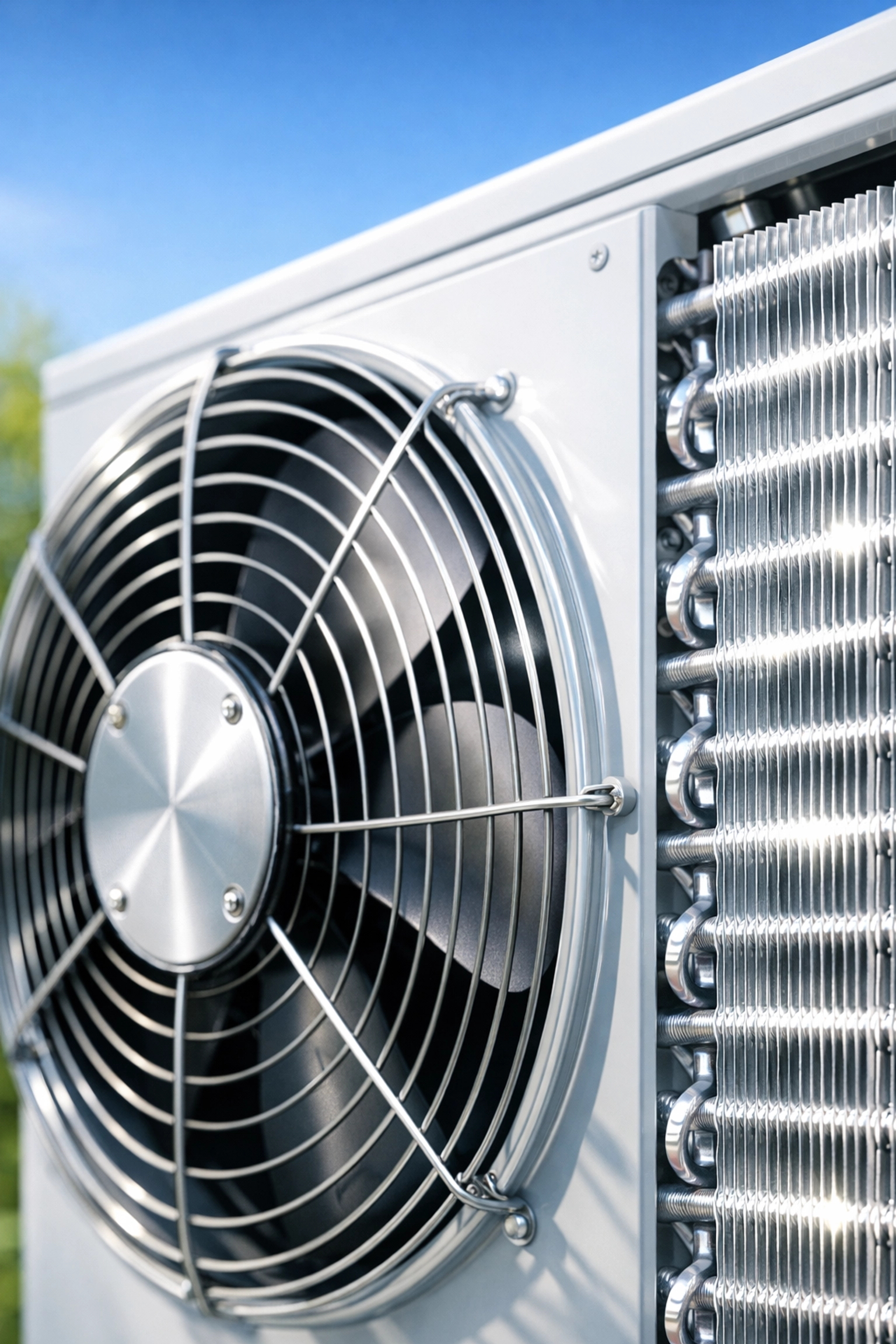
You might see the term "mildly flammable" floating around the internet, and we know, that sounds a bit scary. But let’s put it in perspective. The "A2L" classification means these refrigerants are incredibly difficult to ignite. In fact, you’d practically need a blowtorch and a very specific set of circumstances to get them to burn. These systems are packed with new safety sensors and leak-detection technology. It’s safer than the natural gas running to your stove or the gasoline in your lawnmower. Our technicians at Evolution are fully trained on these new safety protocols, so you can sleep soundly.
4. Your Current AC Isn’t a Ticking Time Bomb
If your current AC is running on R-410A, don’t panic! You don't need to rip it out and replace it today. The 2026 regulations apply to new installations. You can still get AC repair for your existing unit, and R-410A refrigerant will still be available for servicing for years to come. However, as the supply of the old refrigerant decreases, the price to "top off" an old, leaking system is likely to go up.
5. Better Efficiency Means Lower Bills
One of the best "hidden" perks of the 2026 transition is that the new refrigerants are actually better at carrying heat. R-32, for instance, requires about 20% less refrigerant charge than the old systems. Because these new units are designed around more efficient chemicals, they often hit higher SEER2 ratings. This means you get more cooling for every dollar you send to the utility company. If you’re looking into AC installation, these long-term savings are a huge factor to consider.
6. You Can’t "Mix and Match"
This is a big one. You cannot put the new A2L refrigerant into an old R-410A system, and you can’t put the old stuff into a new unit. The pressures, oils, and components are totally different. This is why it’s more important than ever to work with a local pro who knows the specs. If a "handyman" tells you he can just "convert" your old unit to the new stuff, run for the hills (or at least back into the shade).
7. Installation Requires New Tools and Training
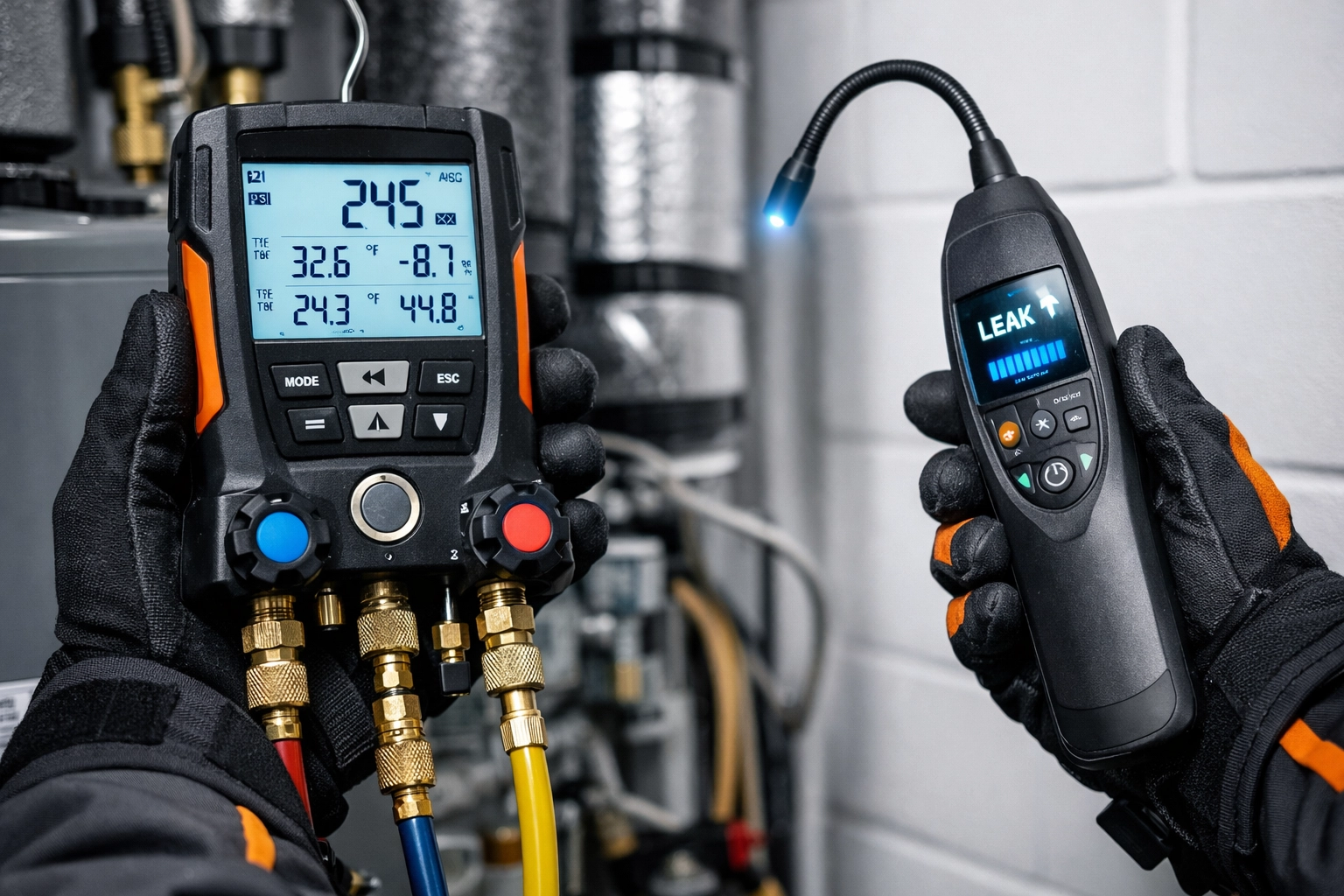
The days of "eyeballing" an AC charge are long gone. The new 2026 systems require specialized vacuum pumps, recovery machines, and leak detectors specifically rated for A2L refrigerants. At Evolution Heating & Air Conditioning, we’ve invested heavily in these tools. We make sure our team is equipped to handle these high-tech systems properly, ensuring your warranty stays valid and your home stays safe.
8. The "15-Pound" EPA Rule
For the nerds out there (like us!), the EPA has lowered the threshold for oversight. Previously, only systems with 50 pounds or more of refrigerant were heavily regulated for leak checks. Now, that number has dropped to 15 pounds. While most residential units stay under this, it means the government is getting much more serious about tracking refrigerant leaks. Regular AC tune-ups are no longer just a suggestion, they are the best way to avoid expensive legal and environmental headaches.
9. Equipment Design Changes
Because the new refrigerants have different properties, manufacturers have redesigned the coils and compressors. These units are built to be more robust and often feature advanced sensors that will automatically shut the system down if a leak is detected. It’s like having a smart brain for your air conditioner. If you're curious about how these look or fit in your yard, we're happy to chat about it, just contact us.
10. Local Expertise Matters More Than Ever
The transition to new refrigerants is complicated. Between the new safety standards, the specialized tools, and the shifting availability of older parts, you need a partner you can trust. We’ve been serving Tonawanda, Grand Island, and the greater Buffalo area with a simple philosophy: treat every home like it’s our own. We’re Big Enough to Serve the entire region, but Small Enough to Care about the specific needs of your family and your budget.
Why the 2026 Change is Actually Good News
It’s easy to look at a big industry change and see nothing but dollar signs and confusion. But truthfully? This is a step toward more reliable, more efficient, and more environmentally friendly cooling.
If you’ve been dealing with an AC that sounds like a jet engine taking off from Buffalo Niagara International, 2026 might be the perfect year to upgrade. You’ll be moving into a system that is future-proofed, safer for the planet, and cheaper to run.
Frequently Asked Questions
Will the cost of AC units go up in 2026?
Generally, yes. The new technology, advanced safety sensors, and specialized training required for A2L systems do come with an initial price increase compared to the old R-410A units. However, the energy savings over time often help balance that out. Check our coupons page for any current specials to help with the transition!
Can I still get my old AC repaired?
Absolutely. We still offer full heating and air conditioning services for older models. We can still source R-410A and the parts needed to keep your current system humming as long as it makes financial sense for you.
How do I know if my unit uses the new refrigerant?
There is a data plate on the side of your outdoor condenser unit. It will clearly list the refrigerant type (e.g., R-410A, R-32, or R-454B). If you can’t find it, give us a call and we can help you identify it.
Is Evolution Heating & Air Conditioning ready for these changes?
You bet. We’ve spent the last two years training our technicians and updating our equipment. We are fully licensed, insured, and ready to install and service the latest 2026-compliant equipment across Western NY.

Don't Get Left in the Heat
The 2026 refrigerant transition is the biggest change to hit the HVAC industry in two decades. Don’t let it overwhelm you. Whether you’re in Kenmore, Tonawanda, or Grand Island, we’re here to walk you through the process, explain your options, and make sure you get a fair deal on a system that will last for years to come.
Ready to see what the future of cooling looks like? Give the experts at Evolution Heating & Air Conditioning a shout today. We’ll keep you cool, calm, and collected; no matter what the 2026 weather throws at us!